
Warmer floors in winter
Insulation between joists stops cold air rising through floorboards, making rooms feel warmer at floor level. This is especially noticeable in living areas and bedrooms directly above the subfloor.
Williamstown
Underfloor insulation in Williamstown stops cold air rising through floorboards and draughts entering from the subfloor. We install bulk batts and reflective foil between joists under suspended timber floors to improve thermal comfort and reduce heating costs.
Share your details and Expert Insulation Melbourne will contact you about Underfloor Insulation in Williamstown.
Underfloor insulation is installed between the floor joists in the subfloor of suspended timber homes. In Williamstown’s older weatherboard and brick veneer houses this space is often uninsulated, letting cold air rise through gaps in the floorboards and creating draughts. We fit glasswool, polyester or rockwool batts, or reflective foil with an air gap, to block airflow and add thermal resistance. Typical R-values for underfloor range from R1.
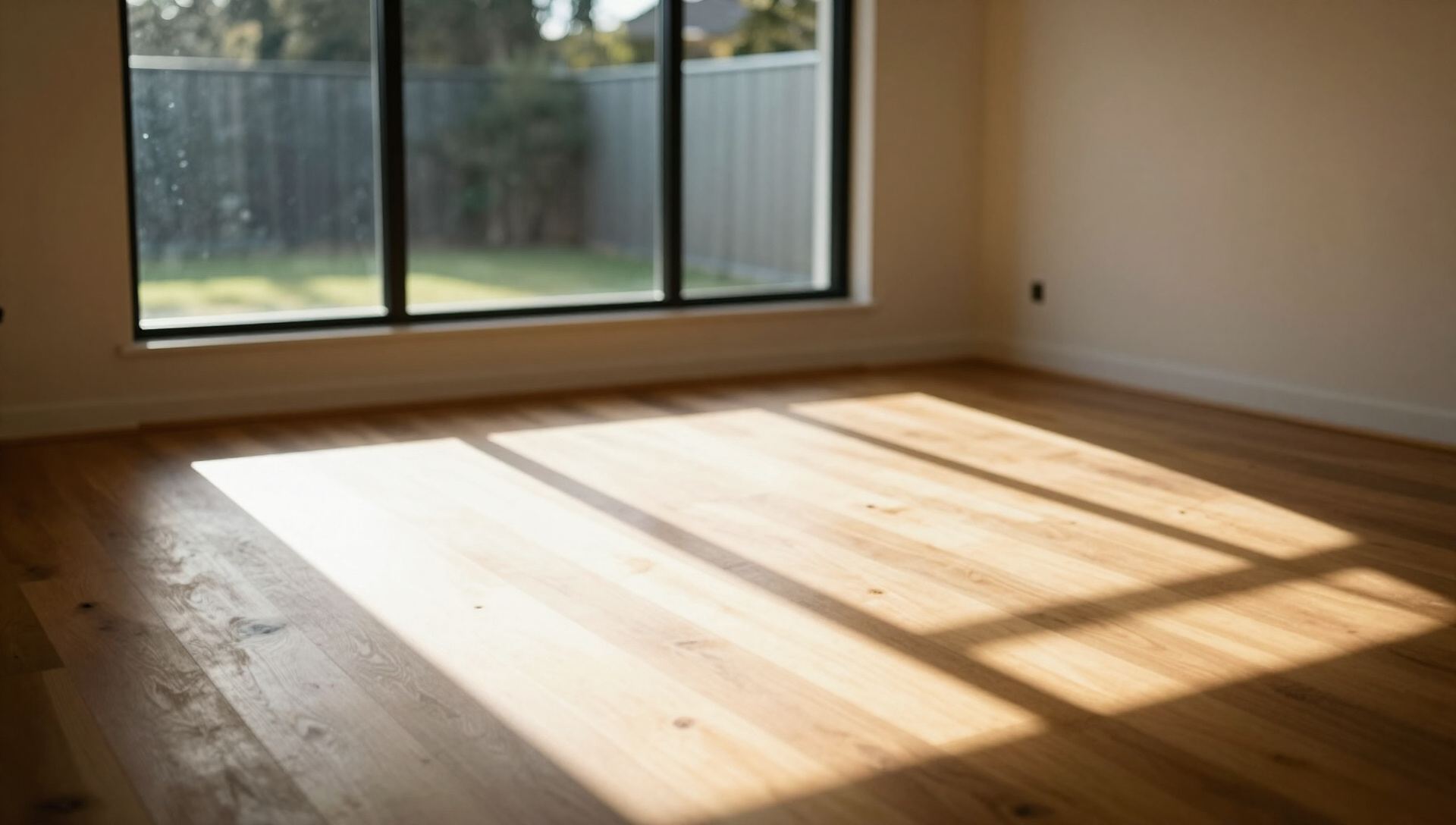
Williamstown’s exposed bayside location means cold southerly winds and damp conditions in winter. Without underfloor insulation, these homes lose heat through the floor and suffer from cold feet and higher heating bills. Insulating the subfloor also reduces draughts and helps control moisture, which is common in older subfloors.
Insulation between joists stops cold air rising through floorboards, making rooms feel warmer at floor level. This is especially noticeable in living areas and bedrooms directly above the subfloor.
Reducing heat loss through the floor means your heater runs less often. Homeowners in Williamstown typically see a noticeable drop in energy use after underfloor insulation is installed.
Sealing the subfloor with insulation and vapour barriers cuts draughts coming up through gaps. It also minimises dust and allergens entering from under the house.
While the main benefit is winter warmth, underfloor insulation also helps keep floors cooler in summer by blocking hot air rising from the ground or crawl space.
Reflective foil and vapour-permeable batts help manage condensation in damp subfloors, which is common in Williamstown’s older homes near the bay.
Insulation is installed from below, so there is no need to remove carpets, timber flooring or tiles. The job is done entirely from the subfloor access points.
Installing underfloor insulation requires access to the subfloor, usually through existing vents, trapdoors or by lifting a section of flooring. We inspect the space first to check joist spacing, depth and any obstacles like pipes or wiring before selecting the right product.
We check the crawl space height, joist spacing and condition of the subfloor. This determines whether batts or foil are suitable and what R-value can be achieved. We also look for signs of moisture, pests or damaged timbers.
For most Williamstown homes we use R2.0 to R2.5 bulk batts cut to fit snugly between joists. Reflective foil is an option where there is enough space for an air gap. All materials are chosen for durability in damp subfloor conditions.
Batts are friction-fit between joists and held in place with staples or straps if needed. Foil is stapled to the underside of joists with an air gap maintained. We work carefully around pipes, cables and any existing services.
After installation we seal any large gaps between joists and the perimeter with foil tape or expanding foam to stop draughts. We also ensure ventilation is maintained to prevent moisture build-up under the floor.
Williamstown has many older weatherboard and brick veneer homes with suspended timber floors and uninsulated subfloors. These houses are prone to cold floors, draughts and higher heating costs in winter. Underfloor insulation is a cost-effective way to improve comfort without disrupting the home. We service Williamstown and nearby suburbs like Newport and Altona.
Stop cold floors and draughts with underfloor insulation installed under suspended timber floors in Williamstown.
Common questions about underfloor insulation in Williamstown homes, including costs, access and suitability for different floor types.
Underfloor insulation in Williamstown addresses the common issue of cold floors and draughts in older homes with suspended timber flooring. By installing bulk batts or reflective foil between the floor joists in the subfloor, we create a thermal barrier that stops cold air rising through gaps in the floorboards. This is particularly important in Williamstown, where bayside winds and damp conditions can make uninsulated floors feel icy in winter.
The process begins with a subfloor inspection to assess access, joist spacing and moisture levels. We then install glasswool, polyester or rockwool batts with typical R-values of R1.5 to R2.5, or reflective foil where an air gap can be maintained. All work is done from the crawl space, so there is no need to remove existing floor coverings. The result is warmer floors, reduced draughts and lower heating costs.
Williamstown’s older housing stock often has uninsulated subfloors, making underfloor insulation a practical upgrade. It complements ceiling insulation by addressing heat loss through the floor, which can account for up to 20% of a home’s total heat loss. For homes near the bay, we also ensure moisture management is considered to prevent condensation issues in the subfloor.
Stop cold floors and draughts with underfloor insulation installed by Expert Insulation Melbourne. We service Williamstown and can provide a quote for your home.