
Lower energy bills
Ceiling insulation alone can cut winter heat loss by up to 45 percent. With walls and floors also insulated, your heater and air conditioner run for shorter cycles, using less power.
Williamstown
Bulk insulation traps still air in your roof space, walls and floors to slow heat flow. In Williamstown’s older weatherboard and brick homes, it’s the simplest way to cut winter heat loss through the ceiling and stop summer heat gain through the roof.
Share your details and Expert Insulation Melbourne will contact you about Bulk Insulation in Williamstown.
Bulk insulation uses materials like glasswool, polyester or rockwool batts to resist the flow of heat by trapping still air. In Williamstown, it is most often installed between ceiling joists in the roof space, inside wall cavities during renovations, and under suspended timber floors. It directly addresses the main paths of heat loss and gain in local homes.
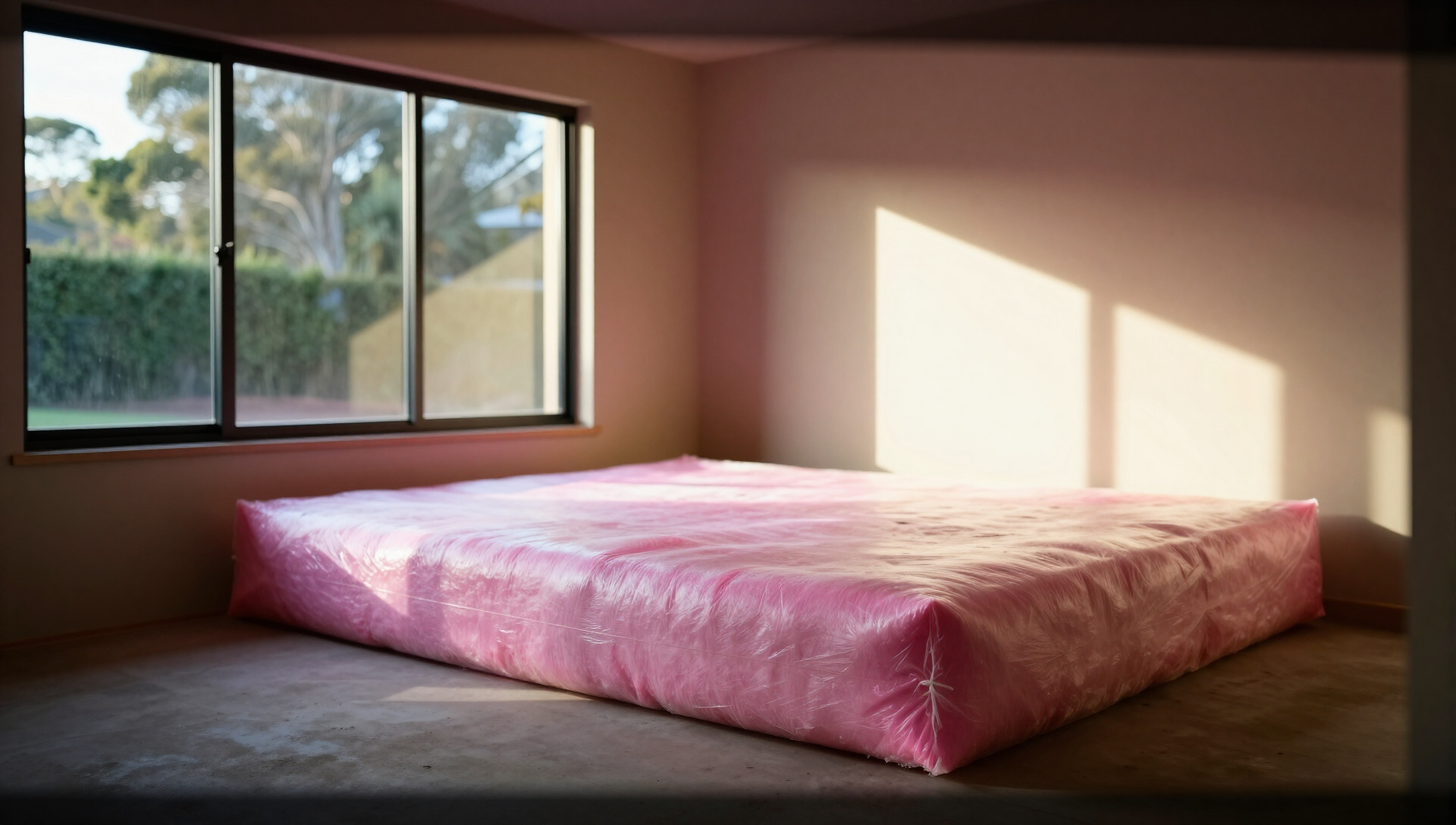
Williamstown’s mix of heritage weatherboards and solid brick homes often have little or no insulation. Bulk insulation fixes the gaps that let heat escape in winter and enter in summer, making your heating and cooling systems far more effective.
Ceiling insulation alone can cut winter heat loss by up to 45 percent. With walls and floors also insulated, your heater and air conditioner run for shorter cycles, using less power.
Bulk batts slow the rate of heat transfer, so rooms stay warmer in winter and cooler in summer. This is especially noticeable in Williamstown’s exposed bayside position where hot northerlies and cold southerlies hit hard.
Properly installed bulk insulation helps keep internal surfaces above the dew point, lowering the chance of condensation and mould in ceilings and walls.
Dense batts absorb airborne noise, so you hear less traffic from nearby roads and less echo inside the house.
Glasswool and rockwool batts are non-combustible, adding a fire-resistant layer in roof spaces and wall cavities.
Batts fitted without compression and with the right R-value for the space will maintain their thermal performance for decades.
We start with a roof space inspection to check existing insulation, access, electrical cables and downlight clearances. Then we plan the layout, choose the right product and R-value, and install without gaps or compression.
We measure the area, note the ceiling joist spacing, check for old compressed batts and identify any obstacles like cables, pipes or downlights that need clearances.
We recommend glasswool, polyester or rockwool based on your budget, thermal needs and any moisture considerations. Ceilings commonly use R4.0 to R6.0, walls R2.0 to R2.7, and underfloors R1.5 to R2.5.
Batts are cut to fit snugly between joists or studs without compression. We maintain required clearances around heat sources and ensure no gaps at edges or around penetrations.
We remove all offcuts and debris from the roof space and confirm the insulation is continuous with no voids. If old batts were removed, we vacuum the space first.
Williamstown’s older weatherboard and double brick homes often have uninsulated roof spaces and wall cavities. Bulk insulation is the most cost-effective way to improve thermal performance without major structural changes. For homes near the bay, it also helps manage the temperature swings between day and night.
Reduce heat loss and gain with bulk batts in ceilings, walls and floors.
Homeowners in Williamstown often ask about product choices, R-values, installation access and whether their home is suitable. Here are the key points.
Bulk insulation in Williamstown slows the transfer of heat through ceilings, walls and floors by trapping still air within the material. Glasswool, polyester and rockwool batts are the most common types, each offering different benefits in terms of cost, thermal performance and moisture resistance. In Williamstown’s climate, ceiling insulation is the priority because the roof space is the main path for winter heat loss and summer heat gain.
The R-value indicates thermal resistance, with higher numbers providing better insulation. For Williamstown homes, ceilings typically use R4.0 to R6.0, walls R2.0 to R2.7, and underfloors R1.5 to R2.5. The right R-value depends on your budget, the size of the area and how much you rely on heating and cooling. We can also top up existing thin or compressed batts to restore their effectiveness.
Installation time depends on the size of the area and access. A standard three-bedroom home in Williamstown usually takes half a day for ceiling insulation if the roof space is easily accessible. Wall insulation is typically done during renovations when the lining is off, and underfloor insulation requires sufficient crawl space beneath suspended timber floors. If old insulation is present and may contain asbestos, work stops until a qualified assessor inspects it.
Call Expert Insulation Melbourne on 0399695249 or email info@expertinsulationmelbourne. com. au to discuss bulk insulation for your Williamstown home.