
Reduces winter heat loss through walls
Uninsulated brick veneer walls allow heat to escape quickly in winter. Cavity insulation slows this loss, keeping indoor temperatures steadier and reducing the need for heating.
Williamstown Wall Insulation
Cavity wall insulation for brick veneer homes in Williamstown cuts winter heat loss and draughts through external walls. Expert Insulation Melbourne installs it with minimal disruption to your home.
Share your details and Expert Insulation Melbourne will contact you about Cavity Wall Insulation in Williamstown.
Cavity wall insulation fills the gap between the inner and outer leaf of brick veneer walls with an insulating material. This is done by drilling small holes in the mortar joints, injecting the insulation and then patching the holes. It is a practical way to improve thermal resistance in older brick veneer homes common in Williamstown without removing wall linings.
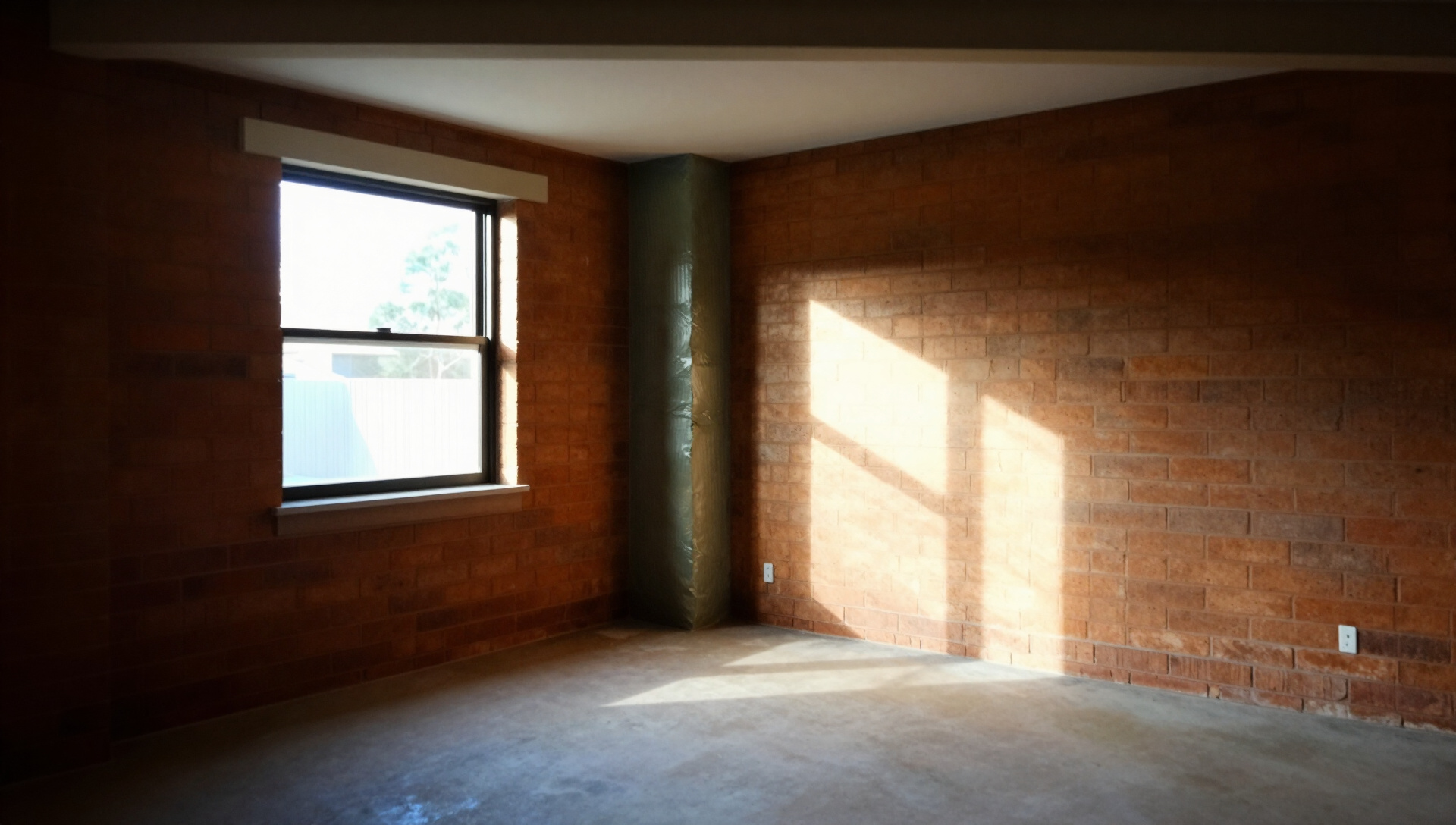
Williamstown’s older brick veneer homes often lack wall insulation, leading to cold walls in winter and heat gain in summer. Cavity wall insulation addresses this by adding a thermal barrier within the wall structure.
Uninsulated brick veneer walls allow heat to escape quickly in winter. Cavity insulation slows this loss, keeping indoor temperatures steadier and reducing the need for heating.
In summer, the outer brick leaf absorbs heat that can radiate inward. Insulation in the cavity reflects and resists this heat, helping your home stay cooler.
Gaps in wall construction and around windows can let cold air in. Cavity insulation helps seal these paths, improving overall airtightness without blocking required ventilation.
By stabilising indoor temperatures, cavity wall insulation reduces the peaks and troughs that force heating and cooling systems to work harder, leading to more consistent comfort.
Unlike bulk insulation, cavity insulation does not require opening up walls. It is injected into the existing cavity, making it ideal for retrofits in established Williamstown homes.
Wall insulation fills a key gap in a home’s thermal envelope. Combined with ceiling and underfloor insulation, it creates a more complete barrier against heat transfer.
The installation process is designed to be unobtrusive and efficient. A site inspection first confirms the wall type and cavity condition, then the work is carried out with minimal mess.
A technician assesses the wall construction, cavity width and moisture levels. Not all brick veneer walls are suitable, and this step ensures the method is appropriate for your Williamstown home.
Small holes are drilled in the mortar joints at regular intervals. These provide entry points for the insulation material and are positioned to avoid visible disruption.
Insulation material is blown or injected into the cavity through the holes. The installer ensures even distribution and full fill of the cavity space.
Once the insulation is in place, the holes are patched with matching mortar. The finish is blended to match the existing brickwork, leaving no visible trace of the work.
Williamstown’s mix of historic weatherboard cottages and interwar brick veneer homes means many properties can benefit from cavity wall insulation. Brick veneer construction from the mid-20th century often has an uninsulated cavity, making it a prime candidate for this upgrade. The bayside location also exposes homes to strong winds, increasing the value of a well-sealed thermal envelope.
Improve thermal performance in brick veneer homes with cavity wall insulation tailored for Williamstown’s climate.
Homeowners in Williamstown often have questions about how cavity wall insulation works, its suitability and the installation process. Here are answers to the most common queries.
Cavity wall insulation is a cost-effective way to improve the thermal performance of brick veneer homes in Williamstown. Many of these properties were built without wall insulation, leading to significant heat loss in winter and heat gain in summer. By filling the cavity between the inner and outer leaf of the wall, insulation reduces the transfer of heat, making the home more comfortable and energy-efficient.
The process involves drilling small holes in the mortar joints, injecting insulation material into the cavity and then patching the holes. This method is non-invasive and does not require removing internal wall linings, making it ideal for retrofitting in established homes. A pre-installation inspection ensures the wall type and cavity condition are suitable for the work.
In Williamstown’s climate, cavity wall insulation helps combat cold winters and hot summers by stabilising indoor temperatures. It also reduces draughts and air leakage, further improving comfort. For homes with existing ceiling and underfloor insulation, adding cavity wall insulation completes the thermal envelope, maximising energy savings.
If your Williamstown home has brick veneer walls, cavity insulation can make a noticeable difference to comfort and energy costs. Contact Expert Insulation Melbourne to arrange an inspection and quote.